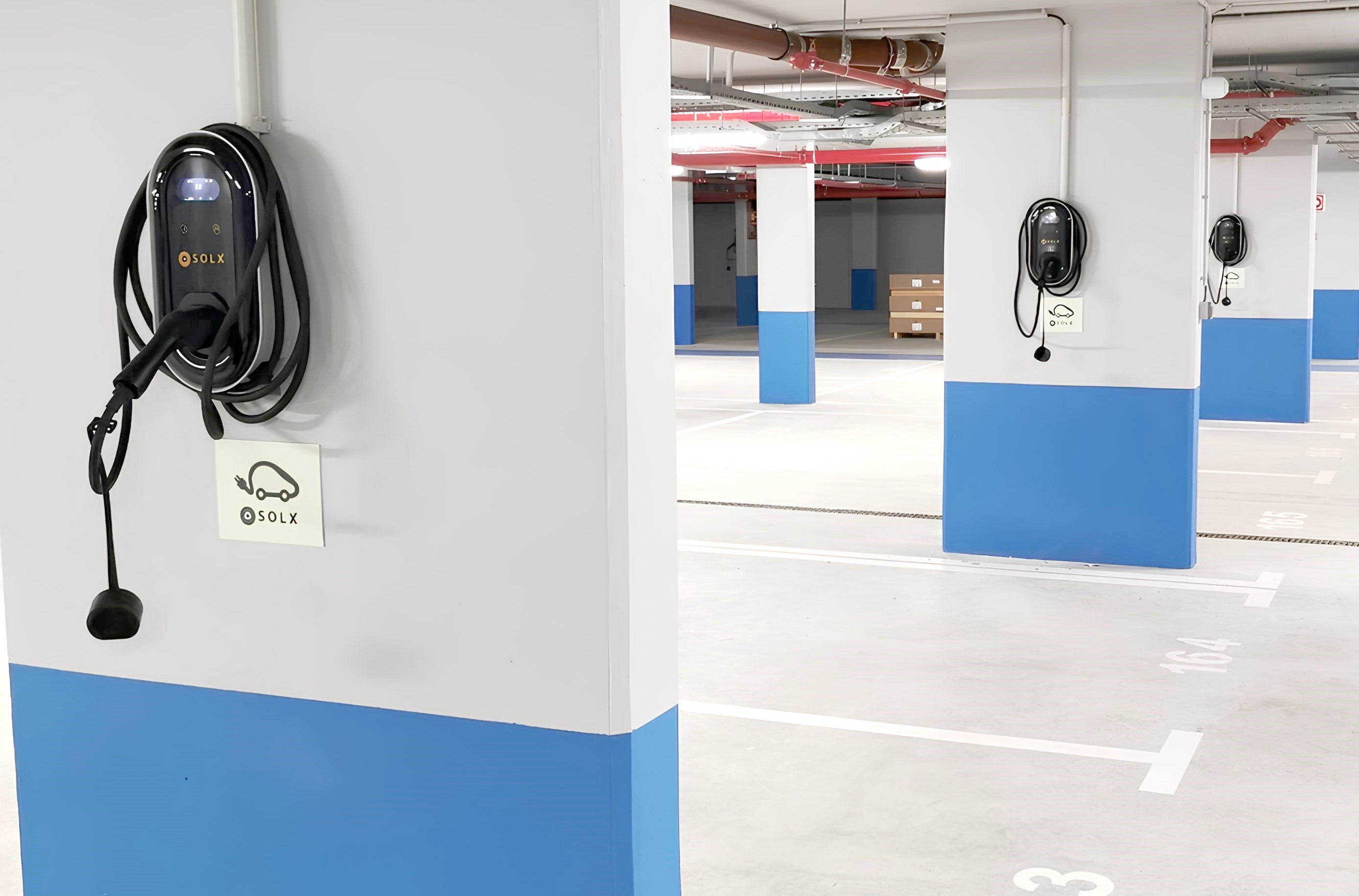
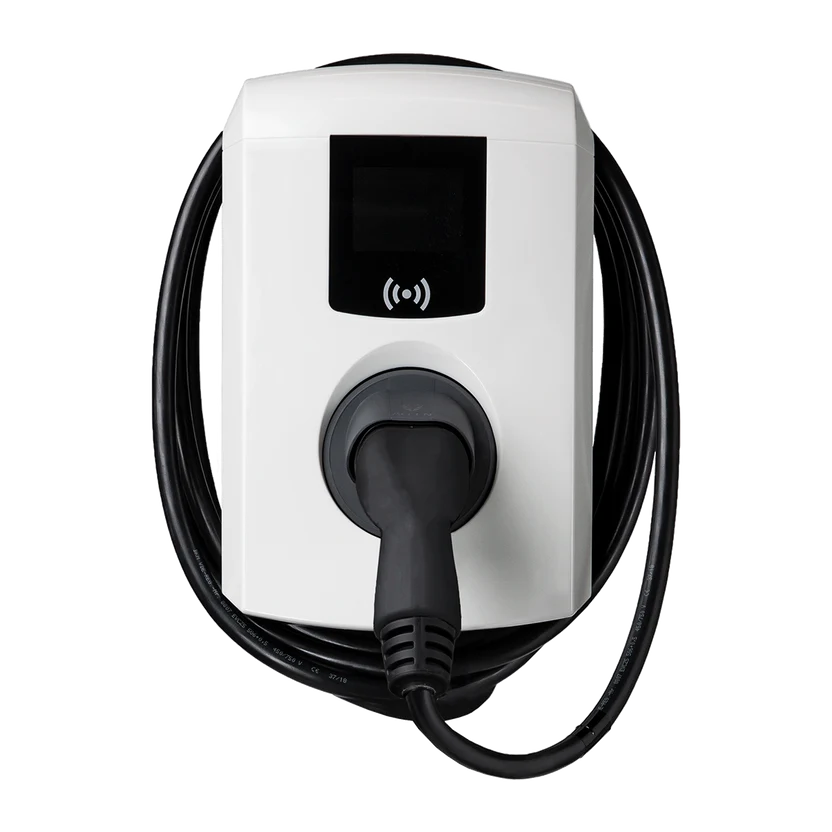
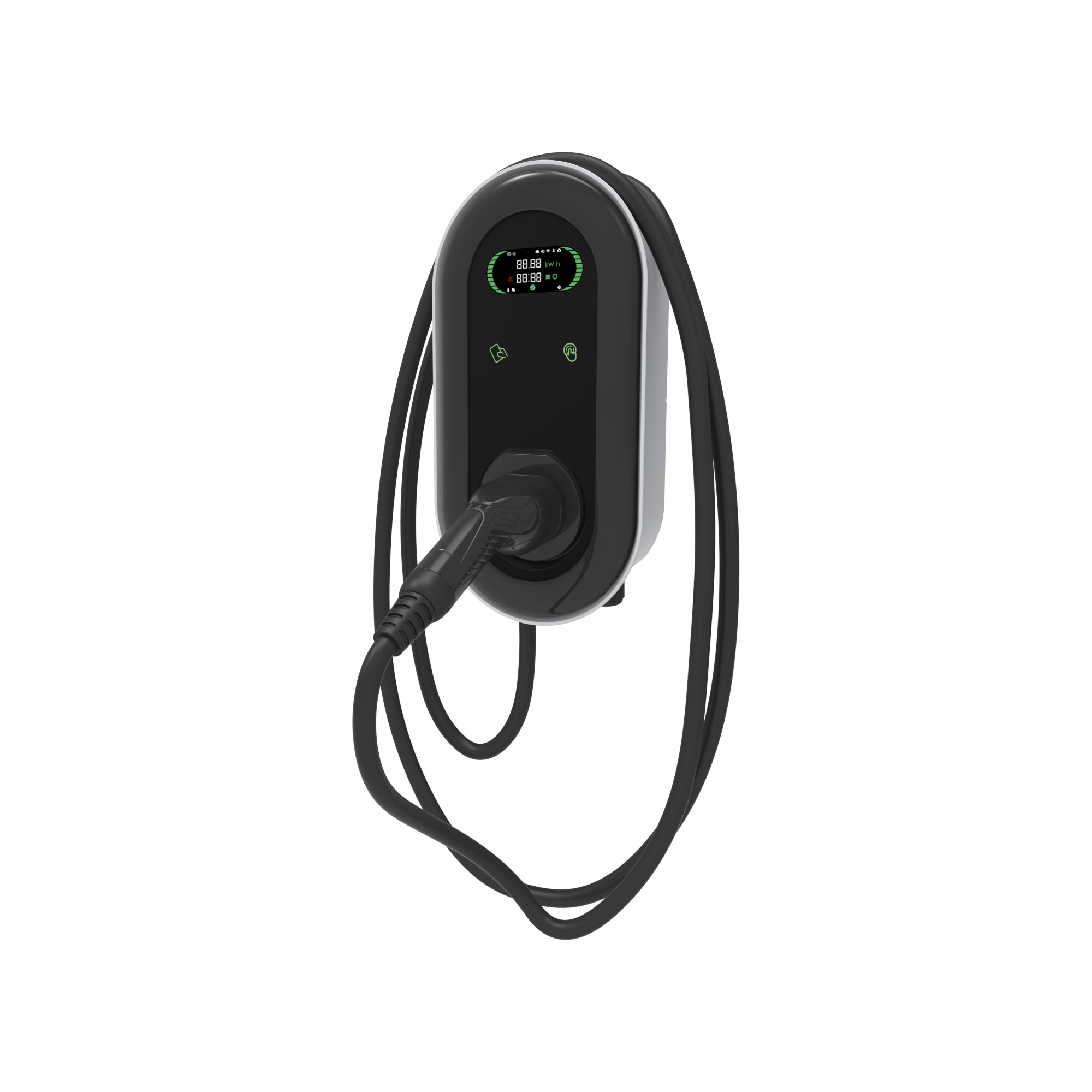
We installed more than 250 charge points at the Bayline condominium for Vanguard Properties, one of the largest private projects in Portugal. From dynamic load balancing to automated per-resident billing, we deliver turnkey EV charging infrastructure.
As of 27 March 2026, Portaria 128/2026 sets mandatory pre-installation deadlines for charging in new buildings (≥3.68 kW per spot) and rules for existing ones. With our full IMPIC licensing (permit nº 119756), we ensure your compliance from design to installation.
A traditional solution. Energy is charged to the building management which, in turn, distributes the costs to each resident according to their respective usage.
Individual Unit Energy
Each resident covers the costs of an individual connection from their parking space to their unit, with consumption integrated into their existing energy bill.
SOLX Park Service
Software Application
With the SOLX Park Service, monitor the charging infrastructure in real time from anywhere, control charger access, and access detailed monthly reports, including individual automatic billing values.
Turnkey Installation
Quick and hassle-free installation, fully compliant with all safety procedures. The infrastructure includes intelligent load balancing capabilities.
Why SOLX
IMPIC permit nº 119756
Licensed for electrical installations and construction.
Charge Point Operator (OPC) nº 84
Integrated with the public Mobi.E network for multi-user billing.
SOLX Park & My SOLX
Our in-house management platform with a mobile app for residents.
End-to-end stack
Installation, operation and direct billing, no middlemen.
Can a unit owner install a charger without approval from the homeowners' meeting?
Yes. Portugal's Decree-Law 93/2025, in force since August 2025, lets any unit owner install a charger at their parking space, at their own expense. If the installation runs through the building's common areas, the owner only has to notify the building management in writing at least 30 days in advance; if no valid objection is raised within that period, the installation can go ahead. For an individual installation at your own space, see the private charging page.
When can the condominium object to a charger installation?
Only on the grounds set out in the law, in writing and with justification: if the condominium installs an equivalent shared charging point within the following 90 days, if the building already has a shared point providing the same service, if there is a real risk to the safety of people or property, or if the installation obstructs movement along the common access routes or breaches accessibility rules. The decision must be taken within 30 days at most, by simple majority, and any refusal communicated in writing within 15 days.
Can residents charge their cars with extension leads from the garage sockets?
No. Sockets in the common areas are typically wired to the building's common supply, so that electricity ends up being paid by every unit owner, and a household extension lead lacks the electrical protections of a dedicated installation, which increases the risk of overheating. The right alternative is a charger at the parking space, with consumption metered and paid by whoever charges, something current law makes easier even in older buildings.
What does Portaria 128/2026 require my building to do?
It depends on the type of building. Since 27 March 2026, new buildings must include pre-installation for EV charging, with a minimum of 3.68 kW per parking space, and existing buildings are subject to specific rules. We support the condominium with technical assessment and compliance from design to installation.
How much does it cost the condominium?
For an individual installation, nothing: the law expressly states the installation is done “at the person's own expense”, so neither the equipment nor the electrical work is charged to the condominium's accounts. For a shared solution, which the homeowners' meeting can approve by simple majority, the cost to the condominium depends on the energy model: with Common Services Energy, the condominium funds the infrastructure and splits the energy cost among those who charge; with Individual Unit Energy, each unit owner pays for the connection from their parking space to their unit. We detail the costs of each scenario in the quote.
How is the energy cost split between residents?
The electricity is paid by whoever charges: the law requires that charging consumption can be metered independently, so it is not paid by those who do not charge. With SOLX Park, each user is identified individually (RFID card or app) and every session is logged on each charger's MID-certified meter. The building management receives monthly reports with usage per unit owner, so costs can be allocated accurately without any manual calculation. Under the Individual Unit Energy model there is nothing to split: each charger's consumption goes straight onto the unit's own energy bill.
Are there government incentives for chargers in condominiums in 2026?
Yes, Portugal's Environmental Fund (Fundo Ambiental) has been opening incentives in phases for chargers in multi-family condominiums. In the June 2026 phase, the support covered 80% of the charger price up to €800 plus 80% of the electrical installation up to €1,000, limited to one charger per unit owner, but the budget ran out on the very day applications opened. If the condominium plans to apply in a future phase, it pays to have quotes and paperwork ready before applications open.
How is power managed without upgrading the contracted capacity?
Through dynamic load management: chargers communicate with each other and automatically adjust the power allocated to each simultaneous user, respecting the contracted limit. This avoids the cost of upgrading the building's contracted capacity, which would often be prohibitive.
Which charger do you recommend for condominiums?
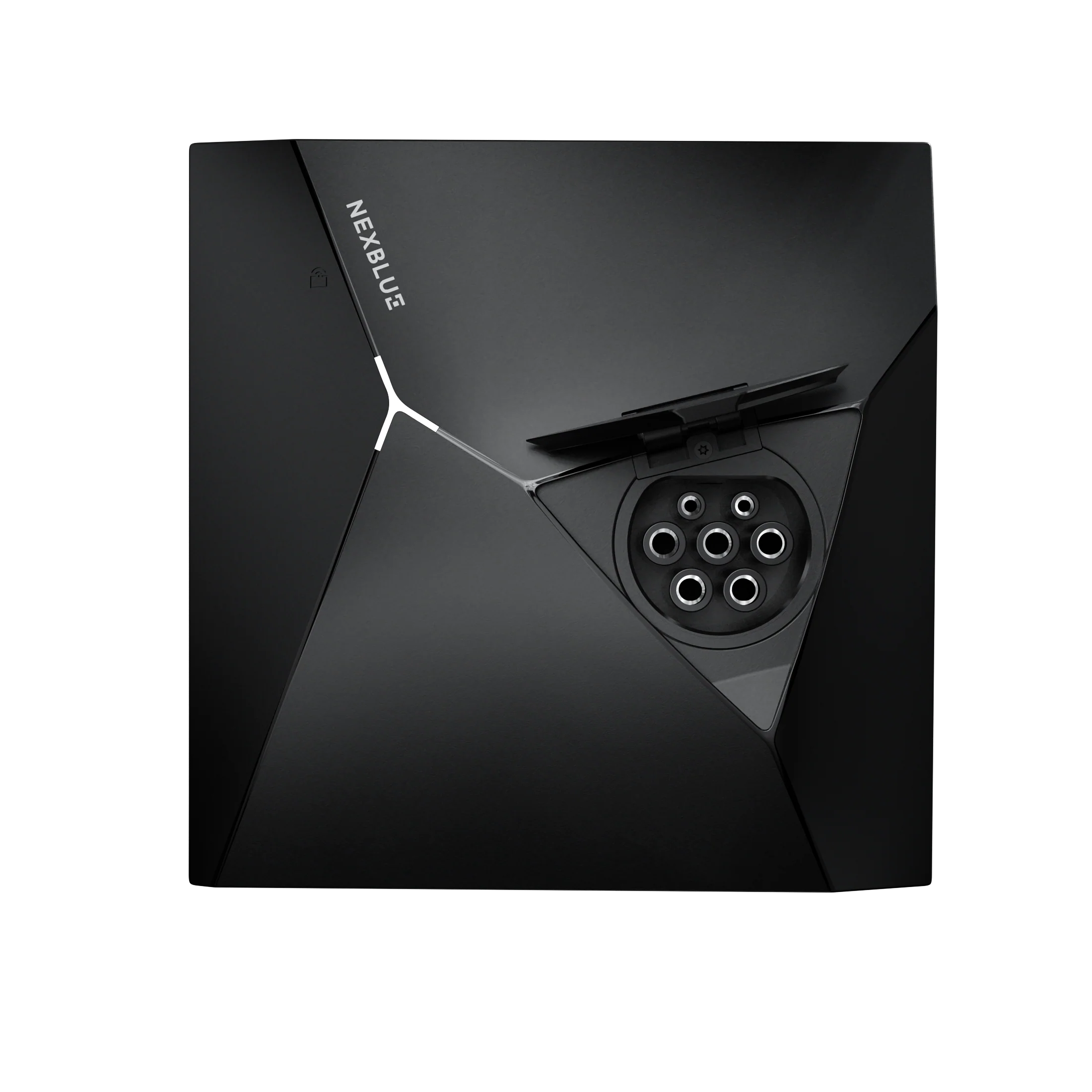
The NexBlue Delta Max: up to 22 kW (single-/three-phase), with an MID-certified meter for billing, OCPP 2.0.1, local and cloud fuse/load balancing (Nexus™), and the NexSync™ backplate system that streamlines installation and maintenance at scale. Bidirectional-ready with ISO 15118 (V2G/Plug&Charge).