Charge at home, 5 worry-free years
NexBlue charger, Hager protections and SOLX installation. Ready to charge in half a day.
- Quote in 30 minutes
- SOLX team, no subcontracting
- Exclusive NexBlue distributor
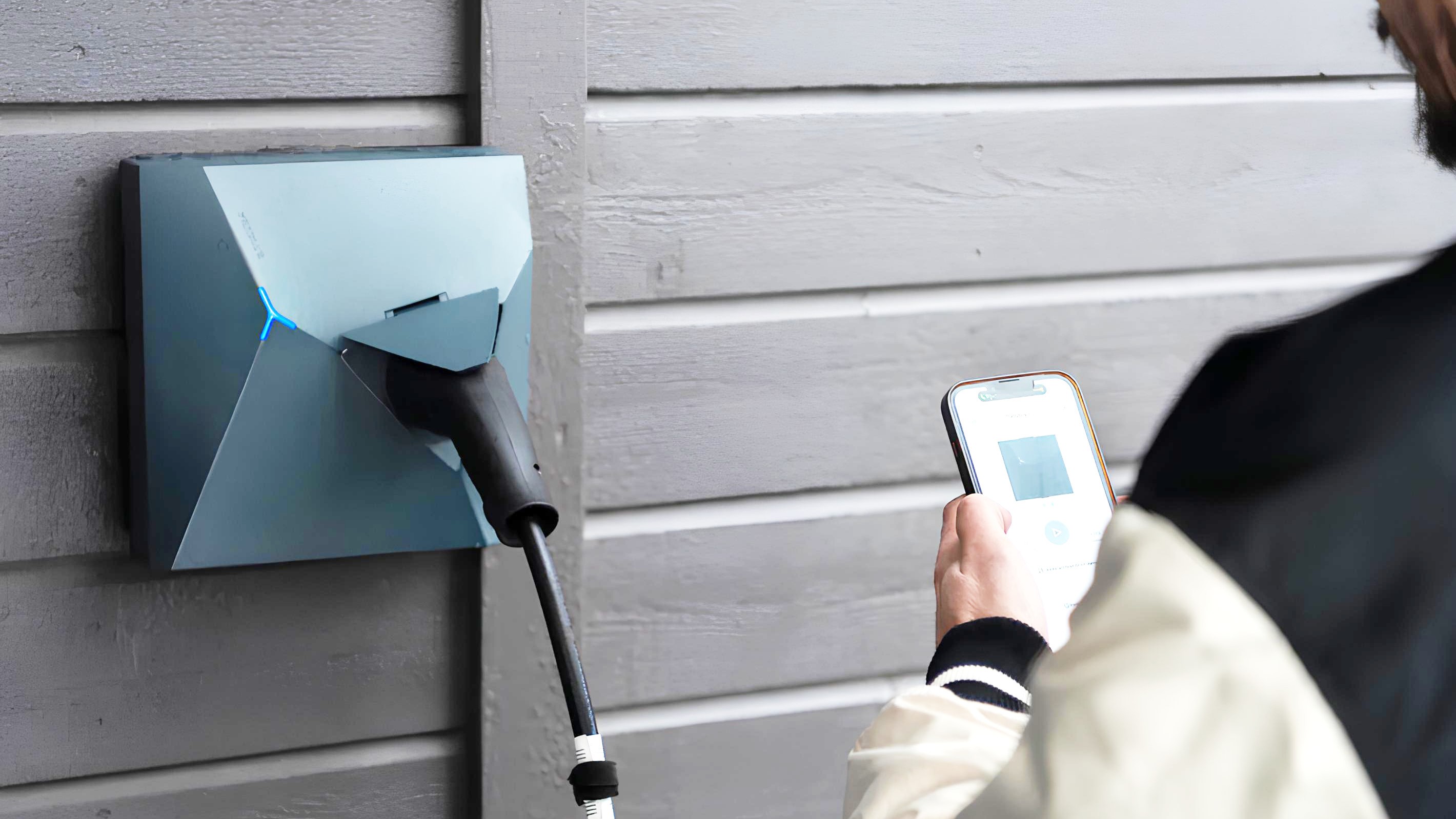
NexBlue charger, Hager protections and SOLX installation. Ready to charge in half a day.
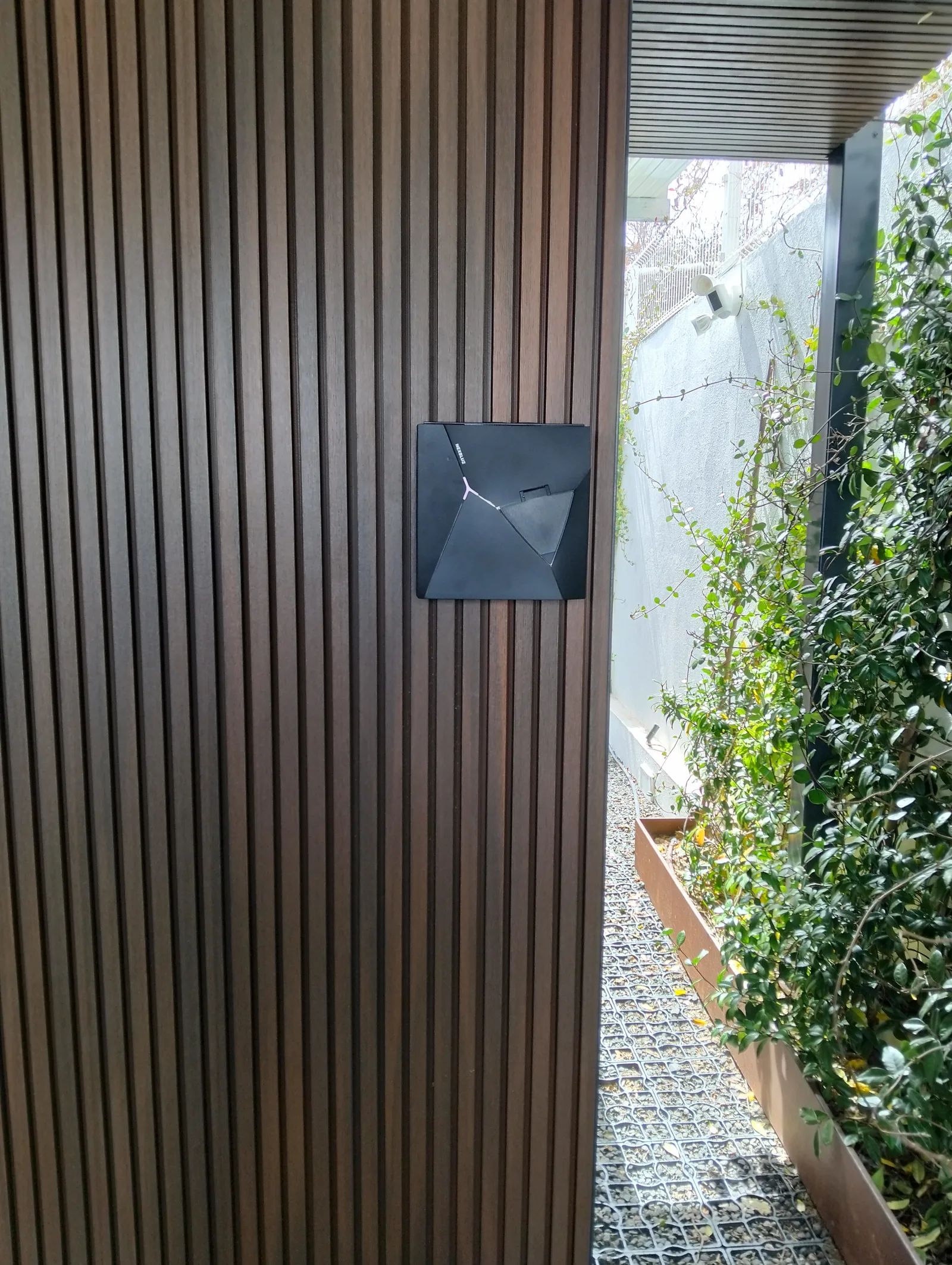
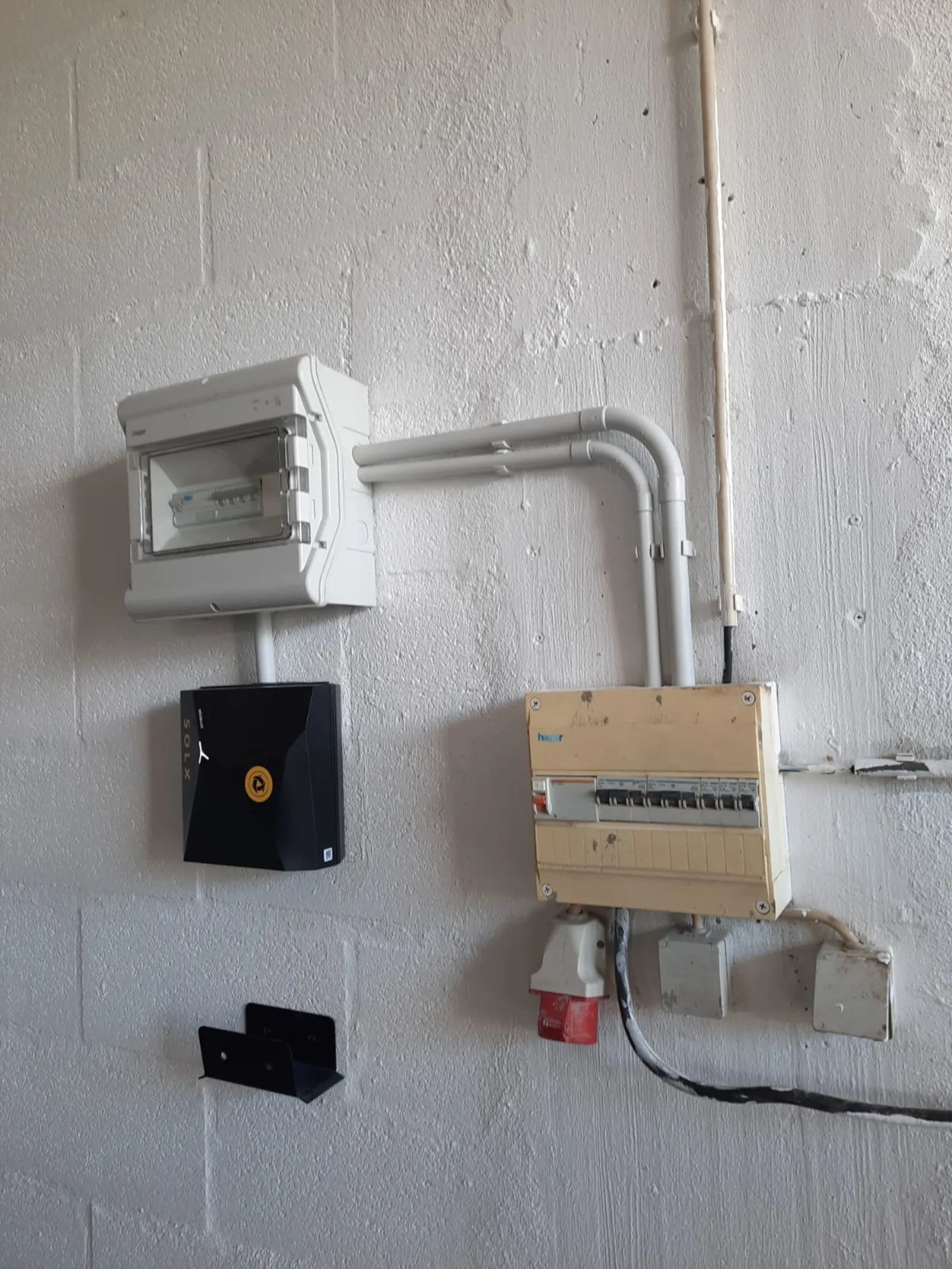
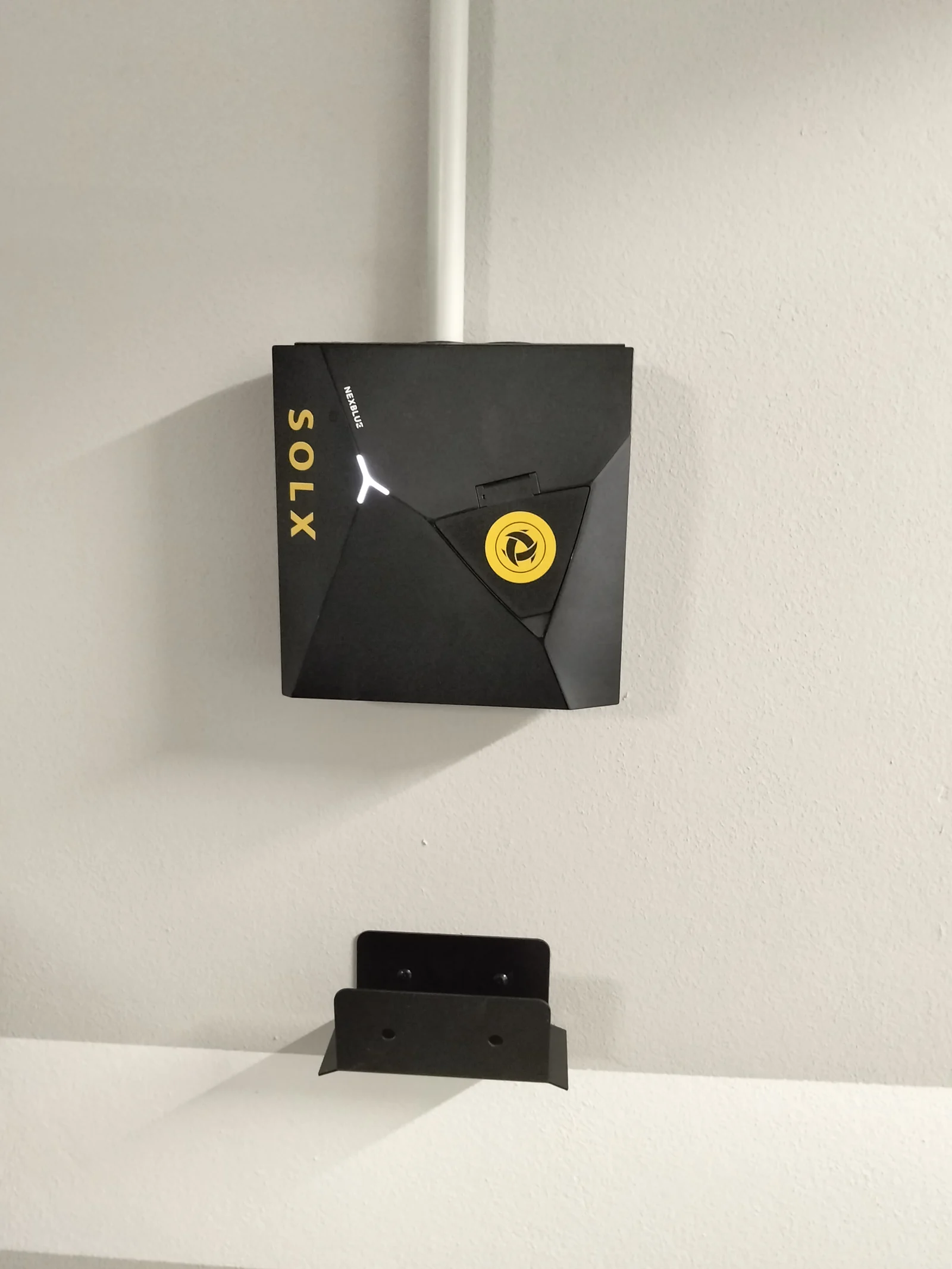
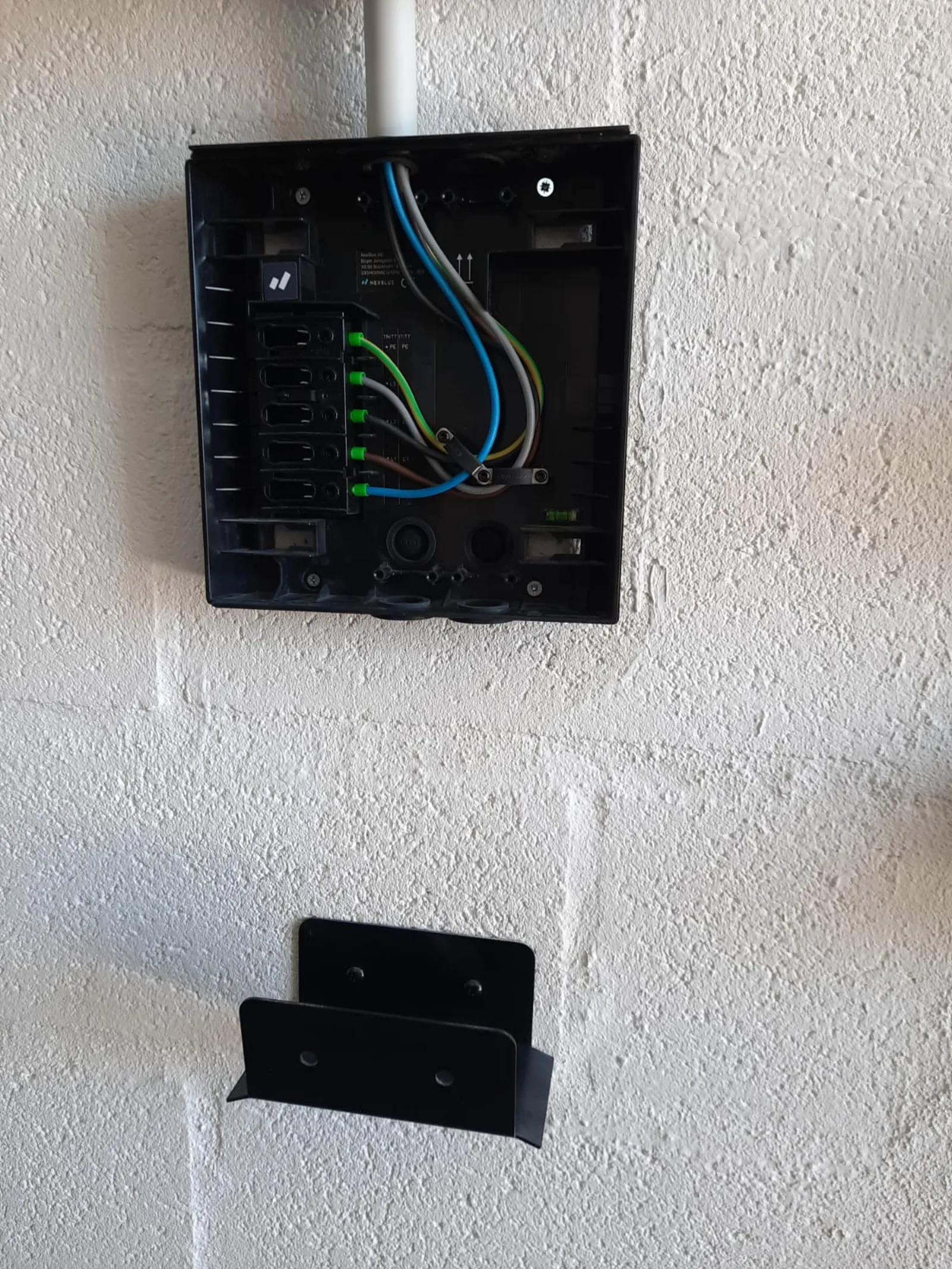
We come on-site to measure, photograph and scope the job
Designed for your home, sized to your existing panel and contracted power
Charger and electrical protections, carefully selected
Dedicated panel, protected cabling and final tests before handover
Power-up, charger configuration, walkthrough with you and online connection when possible
Turnkey installations typically run from €1,500 to €2,500. The exact price depends on the cable run length, the charger model and the brand of the electrical protection gear. We provide an indicative quote within 30 minutes of the first call; the binding quote is issued after the on-site feasibility visit.
 NexBlue Edge 2 749.07 VAT included
 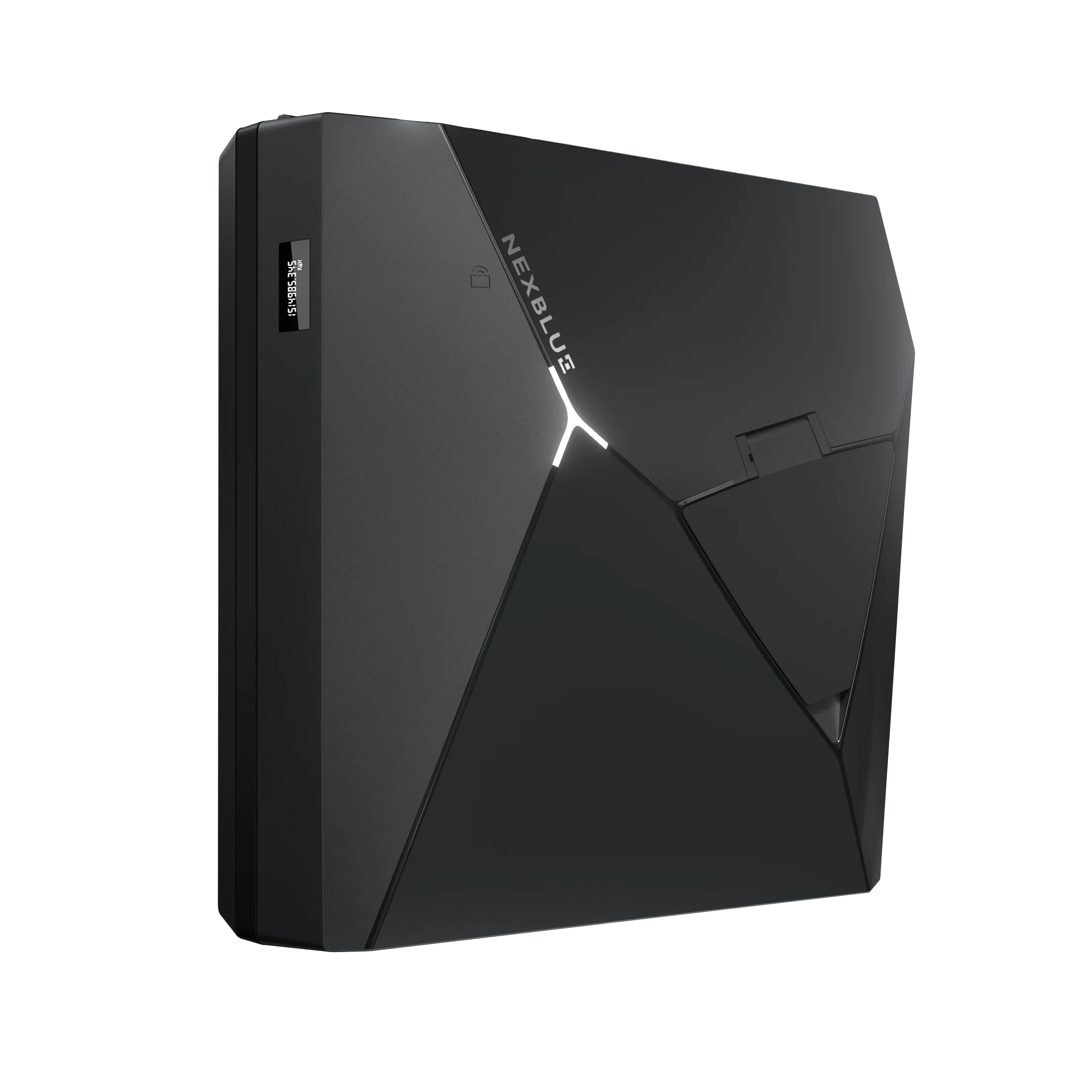 NexBlue Edge Max 999.006 VAT included
 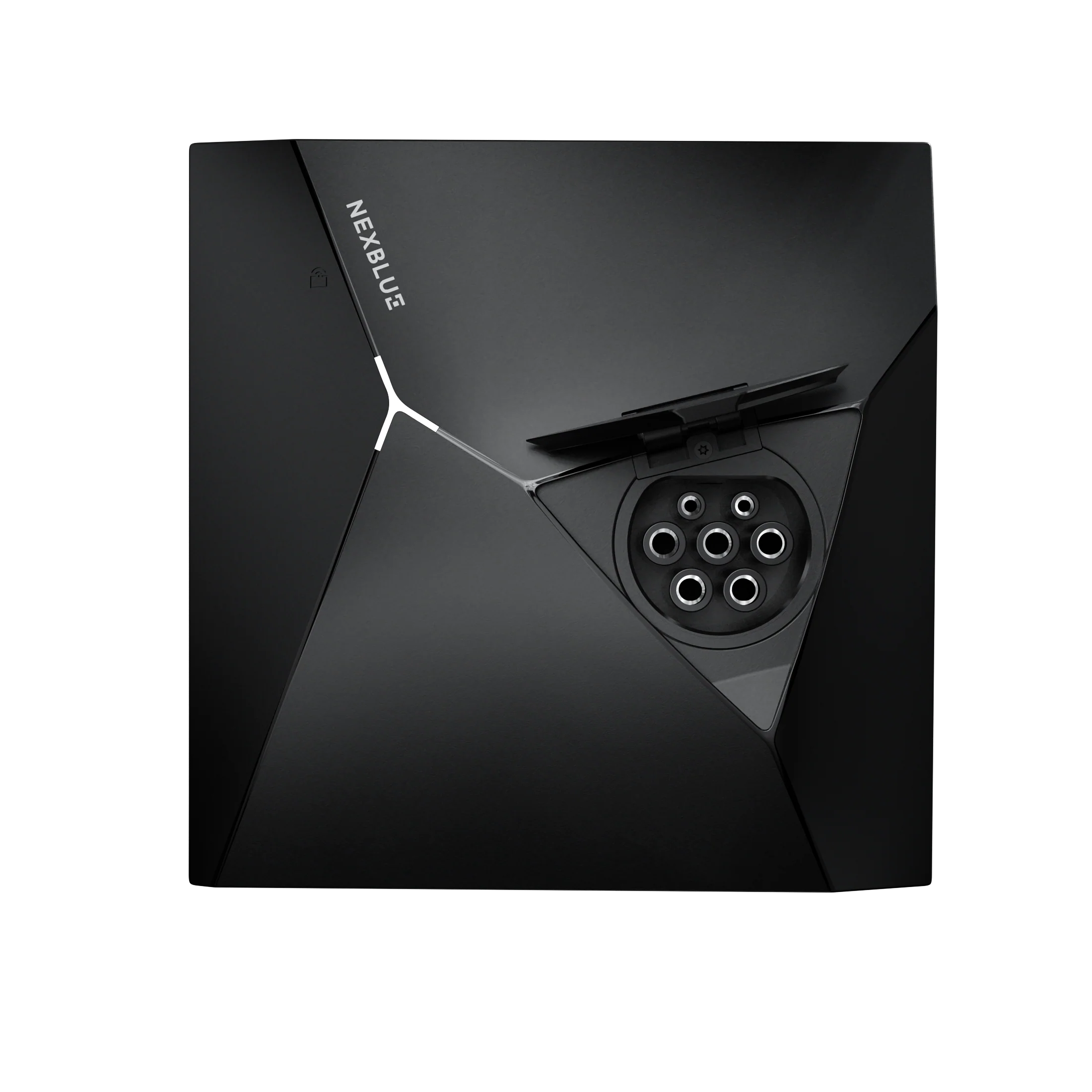 NexBlue Delta Max 1214.625 VAT included
 Typically between €1,500 and €2,500, depending on the charger and installation complexity. We provide a tailored quote within about 30 minutes of first contact, covering equipment, electrical protections and labour.
Use our calculator to find out how many hours it takes to fully charge your car.
For a house or flat with a garage spot near the electrical panel, the installation is done in half a day. It can take longer when the cable run between the panel and the bay exceeds 15 metres or if some light building work is needed (conduit run, wall chase, wall crossing), always flagged upfront in the quote.
Installations with a NexBlue charger and Hager protections get a 5-year warranty, covering both equipment and the electrical works. Other installations carry 2 years. Either way, support is always handled directly by the SOLX team, without intermediaries.
Yes. NexBlue chargers support dynamic solar charging: they use surplus PV production to charge the car, drastically lowering electricity cost when the sun is out.
The NexBlue Edge 2: up to 22 kW (single- or three-phase), bidirectional-ready with ISO 15118 (V2G and Plug&Charge), OCPP 2.0.1, load and phase balancing, solar surplus charging, Wi-Fi/Ethernet/4G/Bluetooth, and an integrated RDC-DD 6 mA DC residual current device (no extra Type B RCD needed). IP54/IK10 rated for outdoor use.
You do not need approval from the homeowners' meeting. Portugal's Decree-Law 93/2025, in force since August 2025, lets any unit owner install a charger at their parking space, at their own expense. If the installation runs through the building's common areas, you only have to notify the building management in writing at least 30 days before the intended date; if no valid objection is raised within that period, you can go ahead.
The condominium can only object on the grounds set out in the law, in writing and with justification. It may refuse if it installs an equivalent shared charging point within the following 90 days, if the building already has a shared point providing the same service, if there is a real risk to the safety of people or property, or if the installation obstructs movement along the common access routes or breaches accessibility rules. The decision must be taken within 30 days at most, by simple majority, and any refusal communicated in writing within 15 days; outside these grounds, it cannot block the installation.
The interested unit owner pays for the installation: the law expressly states it is done “at the person's own expense”. Alternatively, the homeowners' meeting can decide by simple majority to move forward with a shared solution in which the condominium bears the costs, which usually pays off when several residents are interested. With an individual installation, neither the equipment nor the electrical work is charged to the condominium's accounts.
The electricity is paid by whoever charges. The law does not impose a single method for splitting the bill; it only requires that charging consumption can be metered independently, so it is not paid by those who do not charge. In practice there are three options: connecting the charger to your own unit's meter, taking out a separate electricity contract with its own meter just for the charger, or connecting to the building's common supply with dedicated metering and settlement among unit owners. With the SOLX Park service, every session is logged on an MID-certified meter and the building management receives monthly reports with each unit owner's consumption, so costs are allocated accurately without manual calculations.
No, this practice is not allowed. A cable running down the façade and across the pavement uses the building's common areas without authorisation and can create a hazard on the public road, which is punishable with a fine under the Portuguese Highway Code. On top of that, a household extension lead lacks the electrical protections of a dedicated installation, which increases the risk of overheating. The safe alternative is a charger at your parking space, something current law makes easier even in older buildings.
Yes, Portugal's Environmental Fund (Fundo Ambiental) has been opening incentives in phases for chargers in multi-family condominiums. In the June 2026 phase, the support covered 80% of the charger price up to €800 plus 80% of the electrical installation up to €1,000, limited to one charger per unit owner, but the budget ran out on the very day applications opened. If you plan to apply in a future phase, it pays to have your quote and paperwork ready before applications open; SOLX provides a quote in about 30 minutes.
When several residents are interested, the most economical route is usually a shared infrastructure with dynamic load management: the chargers communicate with each other and automatically adjust the power delivered during simultaneous use, respecting the contracted limit and avoiding the often prohibitive cost of upgrading the building's power supply. The homeowners' meeting can approve this route by simple majority. SOLX installed more than 250 charging points at the Bayline condominium, one of the country's largest residential charging parks. With the SOLX Park service, the building management receives monthly reports with each unit owner's consumption. We design, install and operate everything as one company: learn more on the condominium page.